
Calls that are frequently distressing.
Crisis lines, bereavement, safeguarding: a person reads tone in a way software should not be trusted to.
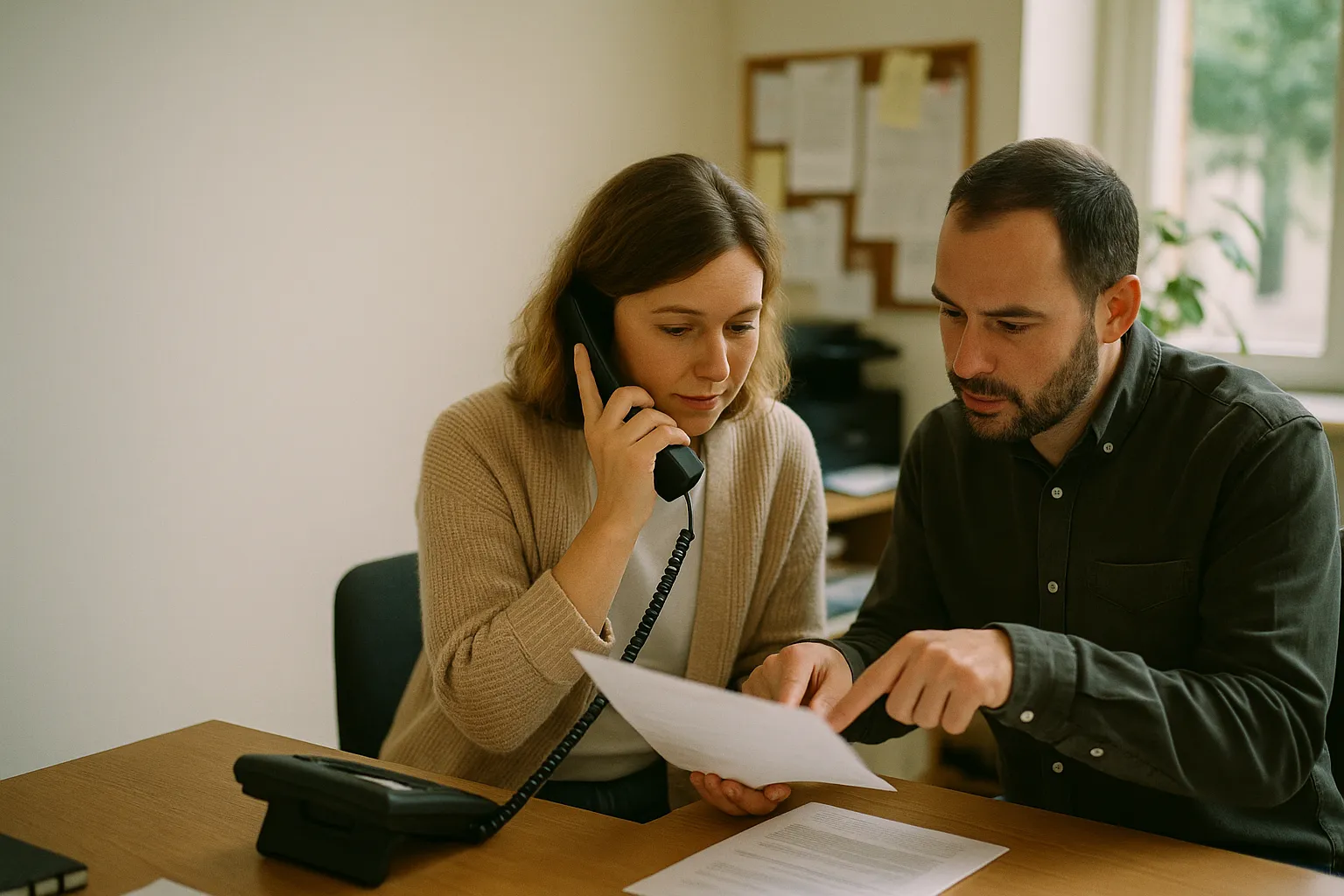
Compare AI and human answering on coverage, booking, cost and judgement. See which calls need a person and how to plan the handoff.
The comparison in one paragraph
A traditional answering service charges a base fee plus a per-minute rate, usually rounded up to the minute, and takes messages from a script. An AI receptionist like AlmaTalk bills by the second, answers several callers simultaneously, and can book directly into your calendar. AlmaTalk starts at $97.97/month. A human service is still the better choice for genuinely delicate calls (see below).
Line by line
Eight things owners actually ask about before they switch. Scroll the table sideways on a phone.
| Human answering service | AlmaTalk | |
|---|---|---|
| Billing | Base fee + per minute, rounded up | By the second, from $97.97/mo |
| Two calls at once | Sometimes, at extra cost | Yes, included |
| Nights & weekends | Usually, often at a higher rate | Same rate, always |
| Books into your calendar | Rarely; usually takes a message | Yes, during the call |
| Knows your business | From a script you supply | From your own documents |
| Bilingual EN/FR | Depends on who is on shift | Always, and switches mid-call |
| Genuinely delicate calls | Better: a person can read distress | Escalates to your team |
| Setup | Contract, often annual | No contract, no setup fee |
The money
This is the difference that matters over a year. A per-minute service bills more as you succeed: every additional customer call increases the invoice, in rounded minutes.
Software does not scale that way. With nobody sitting and waiting, there is nothing to pay during the twenty-three hours a day the phone does not ring. You pay for conversation, not for availability.

The number to check
Across 2,639 answered business calls measured over a recent 90-day window, the average call ran 80 seconds. Most owners guess three to five minutes.
Eighty seconds is "are you open Saturday", or booking an appointment, or leaving a name and a number. It is short, and it changes how you should read any quote you are given. If a provider bills in whole minutes, an 80-second call is charged as two. That is a 50% premium on the most common call your business receives, purely from rounding. Billing by the second removes it.
The honest part
There are real cases, and pretending otherwise would not help you decide:
Crisis lines, bereavement, safeguarding: a person reads tone in a way software should not be trusted to.
where a trained human must read and confirm specific wording, and record that they did.
If you take four calls a week and each is a half-hour negotiation, per-minute pricing may simply be cheaper.
If your calls look like that, choose the human service. For most businesses, the calls are 80 seconds long and about hours, prices and bookings.
Not either/or
The most common arrangement is not either/or. AI answers everything first (instantly, at any hour, several at once) and escalates the small number of calls that need a person to your team or to a human service. You stop paying per minute for "are you open Saturday", and keep human attention for the calls that deserve it.

Try it properly
Test it where it costs you money, not the polite enquiry at two in the afternoon.

After-hours is the entire point.
Real callers talk over you.
"Actually, can we do Thursday instead?"
If it makes you start over, it is not bilingual.
Watch whether it invents an answer or takes a message. This is the one that separates real products from demos.
Questions
Ring the number below and try the call you actually worry about. No form, no salesperson.
Answered 24/7 in English and French, billed by the second.
AlmaTalk is built by ALMA Intelligence Inc., Ottawa, Ontario.