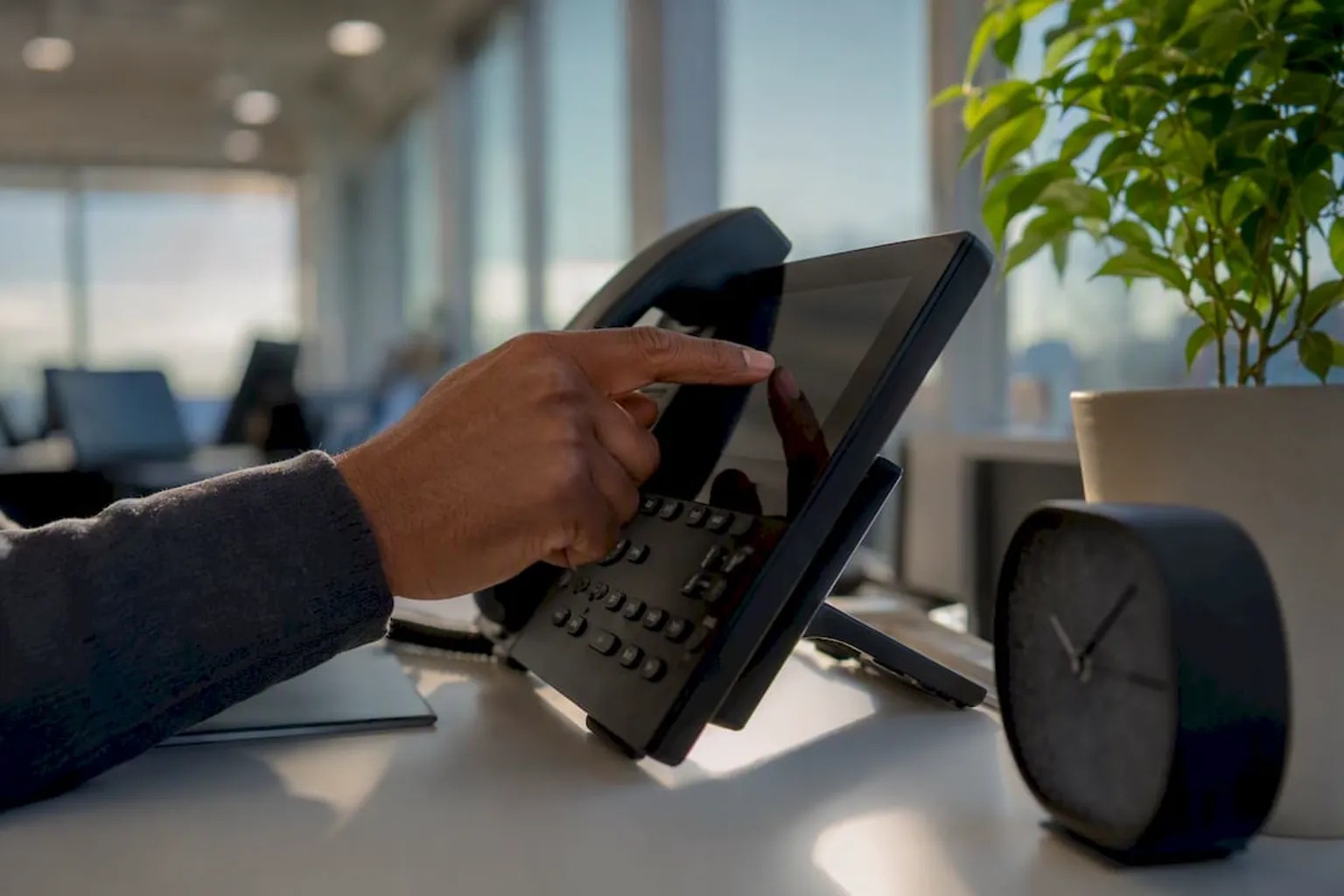



Answering the phone is the easy half. What decides whether a caller becomes a customer is the sixty seconds after the line goes quiet: the appointment landing in the right calendar, the confirmation text arriving before the caller has reached their car, the note attaching itself to that person's file, and the follow-up going out tomorrow morning if nothing got booked. We built our front office around that minute, because we kept meeting owners who had already solved "the phone rings and someone picks up" and were still losing the same jobs.
Answering is table stakes now
A few years ago, an after-hours call that reached a voice instead of a beep was a real differentiator. It is not any more. Every service business in the country is one search away from something that will pick up at two in the morning, take a name and a number, and email it to the owner. The bar moved. What separates a phone line that produces revenue from one that produces a pile of messages is what the system does with the call once it ends.
Think about the last time you called a business and it went well. Almost none of what made it good happened during the conversation. The good part was the text that arrived a minute later with the right address and the right time. It was the calendar entry you did not have to write down yourself. It was the fact that when you called back weeks later, nobody asked you to spell your name again. Reception is a promise, and the promise is kept after you hang up.
We think of it as the difference between a message and an outcome. A message is a task you still have to do. An outcome is a job already on the books. A receptionist that only produces messages has moved your work around, not removed it.
The first sixty seconds, step by step
Here is what we try to have finished before the caller has walked back to their car.
The calendar entry
If the caller booked, the appointment is written into the business calendar right away, with the service, the duration, the name and the phone number attached. Not a note in an inbox for someone to transcribe later. The reason is boring and important: an appointment that lives in two places, a message and a calendar, is an appointment that will eventually exist wrongly in one of them. Changes made on the calendar side are picked up on a regular poll rather than the instant you make them, so we tell owners to treat the calendar as the single source of truth and let the receptionist write into it, not the other way around.
The confirmation text
A confirmation text does two jobs. It gives the caller something to look at instead of a memory, and it gives them a thread they can reply to. Replies come back into the same inbox the call did, so "can I move it to Thursday?" becomes a conversation rather than a new mystery. For a clinic or a salon, that single message is the least expensive no-show prevention there is, which is why we set it up during onboarding instead of leaving it as an option somebody might discover in month three.
The note on the file
Every call leaves a record on the caller's profile: a summary of what they wanted, what was decided, and anything they mentioned that will matter next time. Returning callers are recognised, so the second call starts where the first one ended. Owners feel this before they can name it. A caller who never has to explain themselves twice is talking to a business that sounds like it has its act together.
The owner's copy
Whoever needs to know gets a summary they can read on a phone screen, in a truck or between patients: short, structured, skimmable, with the recording and the transcript one tap away when the summary is not enough. The point is not surveillance. The point is that you should be able to walk into the day already knowing what your phone did overnight.
The follow-up nobody sends
Most of the value hiding in a phone line sits in the calls that did not book. Someone asked for a quote and said they would think about it. Someone called about a service you stopped offering last spring. Someone hung up to check with their partner. In almost every business we look at, those calls simply evaporate, because following up is a task that competes with actual work and always loses.
An automated follow-up is not a clever growth trick. It is a chore that stops getting skipped. A short email the next morning answering the question they actually asked, with one link to book. A text a few days later on the quote that went quiet. We keep the tone plain and the frequency low, because the fastest way to make a follow-up worthless is to make it feel like a campaign. These go out under your business name, so the wording stays yours to edit rather than ours to impose.
Trades and home services feel this most sharply, since a quote nobody chases is a quote a competitor answers. Our page on AI reception for plumbers walks through that pattern in more detail.
Where money actually changes hands
The last step of the minute is the one most reception tools never reach: getting paid. A booking taken on the phone is also a service to be billed, and for businesses that turn it on, that booking can become an invoice with online checkout instead of a piece of paper that arrives next week and sits on a counter. The point is narrow: the booking and the billing concern the same customer and the same service, so they should not live in two systems that have never met.
This is also where the word "receptionist" starts to strain. The booking, the invoice, the documents, the follow-ups and the message thread all belong to the same customer, so keeping them in one place is less a feature than the absence of a problem. Clinics run the whole sequence: the call, the appointment, the reminder, the intake documents, the balance. Our page for dental clinics follows that chain end to end.
What to ask before you buy anything
Every demo sounds good, because every demo is a conversation and conversations are the easy part. Push past it and ask about the minute afterwards:
- When a caller books, what exactly lands in my calendar, and how quickly?
- Does the customer get a confirmation without anyone doing anything, and can they reply to it?
- Where does the note about this caller live, and will it still be there when they call back next year?
- What happens to a call that did not book? Show me the follow-up, and show me where I edit the wording.
- Can that same thread take a payment, or does that live in a different tool?
- When the AI should not be handling something, how does a human get involved, and how fast?
Any service can answer the first question. The list thins out quickly after that.
We answer business calls in English and Quebec French around the clock, and we onboard new businesses in small waves on purpose, because the setup that makes this minute work (your calendar, your services, your wording, your escalation rules) deserves a real conversation rather than a signup form. If you want to understand how the plan and usage side works before you talk to us, it is laid out on our pricing page.
Frequently asked questions
What should happen immediately after an AI receptionist finishes a call?
Four things: the appointment is written into the business calendar, the caller gets a confirmation they can reply to, a summary is attached to that caller's profile, and whoever needs to know receives a short readable recap. If a service only emails you a message, the work has been moved rather than done.
Does the appointment go straight into my calendar?
Yes. Bookings made during the call are pushed to the connected calendar right away with the service, duration and caller details. Changes you make on the calendar side are picked up on a regular poll rather than the instant you save them, so we recommend treating the calendar as your source of truth.
What happens to callers who did not book?
They are the reason follow-ups exist. The call summary records what they wanted, and an automated email or text can go out afterwards with the answer to their question and a way to book. The wording belongs to the business, not to us.
Does a booking turn into an invoice?
For businesses that turn it on, yes. A booked service can become an invoice with online checkout, so the billing does not have to be re-entered somewhere else from a note about a phone call.
Will the AI remember a caller who phoned months ago?
Yes. Returning callers are recognised and their previous conversations sit on their profile, so the second call starts where the first one ended instead of starting from zero.